

Causes and treatment of periodontitis
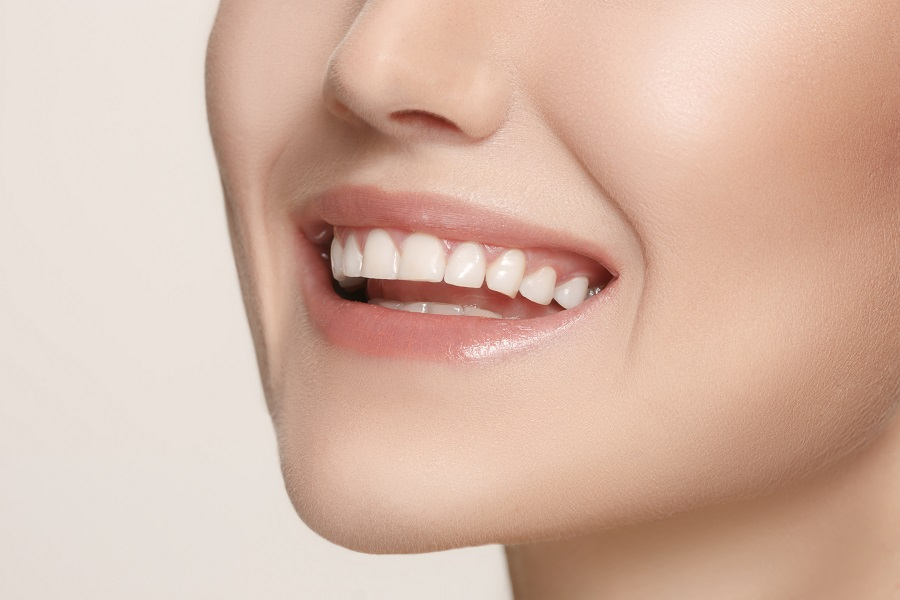
Periodontitis is inflammation of the tissues that support the tooth. This dental condition is quite common. It develops gradually, so patients often notice it only at later stages, when the disease has already caused significant damage to the soft tissues. Therefore, everyone is advised to visit a dentist every six months to help prevent such problems.
Causes
Common causes of periodontitis include:
- Poor oral hygiene;
- Insufficient blood supply to the gums, which is often observed in smokers;
- Vitamin deficiency, which may be seasonal.
- Less commonly, the disease may develop after gum injury. For example, if the patient damages the gum surface with sharp nuts or other food.
Periodontitis treatment should be started promptly. Ignoring the condition or postponing professional care increases the risk of tooth loss.
Symptoms
At the first stage, the disease may progress without noticeable symptoms. The main sign is bleeding gums. At the same time, pain is usually absent. Bleeding appears during mechanical irritation, for example, while brushing the teeth. The patient may think they pressed the toothbrush too hard and caused minor damage. If bleeding occurs regularly rather than occasionally, it is necessary to consult a dentist.
The second stage is characterized by the following symptoms:
- Unpleasant breath that does not disappear despite regular oral hygiene.
- Gum recession, looseness, and excessive softness.
- The teeth visually appear longer.
- This stage is accompanied not only by bleeding while brushing. A metallic taste may also appear in the mouth while eating.
At the third stage, pain develops. The tooth roots become exposed because the gums recede too far. The roots and nerve endings are no longer adequately protected, so the oral cavity becomes highly sensitive to even minor temperature changes or acidic foods, for example, lemons. If periodontitis is left untreated, the body may begin to react systemically, with symptoms such as fever and dizziness.
Periodontitis Treatment
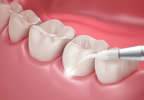
First, the dentist removes dental plaque and deposits. If they remain, the gums may not be able to restore their normal position during treatment.
Next, local antiseptic agents are used. If the affected areas are not disinfected, inflammation and suppuration may spread to other soft tissues.
A highly effective treatment method is therapy using the Vector system or deep root curettage performed by a periodontist.
When the disease is very advanced, surgical treatment of periodontitis may be required. The gum is incised and the affected area is thoroughly cleaned. In some cases, artificial tissue grafting may be necessary to replace the removed tissue.
For prevention, the oral cavity should be cleaned regularly not only with a toothbrush, but also with dental floss and special mouth rinses.
Patient reviews
The best proof of our work comes from people who have already trusted us with their smile.

Tetiana Mykolaivna
I had two teeth treated at the Nikadent clinic and also had a dental cleaning to remove tartar. I am very happy with the doctors' work! Thank you so much; I will definitely recommend the clinic to everyone I know.

Svitlana Dmytrivna
A huge thank you to the doctors at Nikadent! I am very pleased with their work—they extracted my wisdom tooth completely painlessly! I had been putting off the extraction for a long time because I was terrified of dentists, but when the pain became unbearable, I finally decided to go through with it. My fears turned out to be unfounded!

Larysa Mykolaivna
I am very pleased with the work of the doctors at Nikadent Clinic; they treated the periodontal disease that had been troubling me for a long time! My gums are healthy now—thank you so much! I will recommend your clinic to my friends!
Need a dentist consultation?
Leave a request and we'll take care of the rest — select a specialist and a convenient time for your visit.